
The Nature of Luck in Gambling
Luck plays a pivotal role in the world of gambling, particularly at casino tables. It’s often the intangible element that can transform a mediocre night into an unforgettable win or lead to a series of losses that defy statistical probability. Unlike skill-based games where strategies can be employed, games of chance are predominantly influenced by luck, meaning a player’s fortune can change in an instant. Many enthusiasts also explore the best nz online casino options available online, as the perception of luck can vary greatly between players; some see it as a mere roll of the dice, while others might attribute it to a higher power or divine intervention.
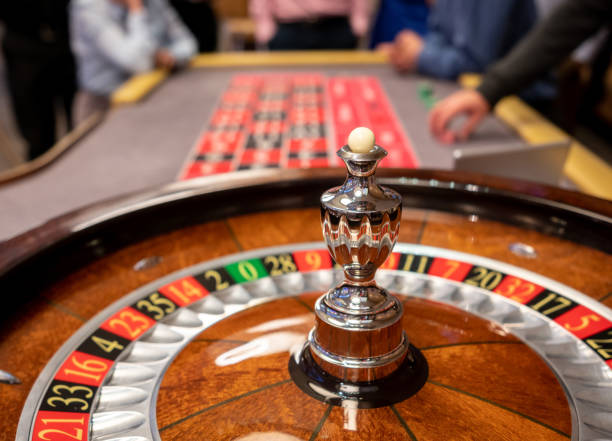
For example, in games like roulette, each spin of the wheel is independent of the last, yet players often find patterns where none exist. This cognitive bias, known as the gambler’s fallacy, can heavily influence a player’s decisions. Players frequently believe their luck will change, enticing them to place additional bets even when statistics indicate the odds are not in their favor. This highlights not just how luck operates at the tables but also how human psychology interacts with the concept of fortune, creating a complex web of behavior influenced by both rational thought and emotional belief.
Additionally, the role of luck can be seen in slot machines, where winners are determined by random number generators that ensure each spin is unique. Despite the technology designed to create randomness, players frequently associate their wins with lucky charms or rituals they believe enhance their chances. This phenomenon emphasizes that while luck is a significant factor, the belief in luck can ultimately influence how individuals engage with gambling and their overall success at the tables. In this way, luck becomes more than just a game of chance; it evolves into a deeply personal experience that shapes one’s approach to gambling.
The Impact of Luck on Player Strategies
Understanding the impact of luck can profoundly influence the strategies players adopt while gambling. For instance, players might choose high-risk strategies, such as betting larger amounts on games with high volatility, because they believe luck will favor them. This can lead to substantial wins, but conversely, it also poses a risk of significant losses. Many players find themselves caught in a cycle where short-term wins lead to increased confidence, fueling a belief that their luck will continue to hold, thus dramatically altering their betting behavior. Such a mindset can create an illusion of control over inherently unpredictable outcomes.
Moreover, the concept of lucky numbers or colors can significantly affect betting strategies. Players might choose to place bets on their perceived lucky numbers during games of chance, like roulette or craps. This tendency can skew the natural decision-making process where logic should prevail. While it may seem harmless, such beliefs can lead to unexpected outcomes, often resulting in disappointment when luck does not align with personal sentiment. This emotional investment in luck can serve as both a motivator and a detractor for players seeking success at the tables.
In this context, the randomness of luck can both bolster and undermine a player’s overall gaming strategy. Players who recognize the influence of luck might adopt more conservative approaches, focusing on managing their bankroll wisely while acknowledging the limits of their strategies. This balance is essential to ensure a sustainable gambling experience and to navigate the inherent unpredictability of fortune at the tables. Acknowledging luck’s unpredictable nature allows players to adapt their strategies dynamically, creating a more resilient approach to gambling that can withstand the ups and downs of luck.
The Role of Superstitions in Gambling
Superstitions are deeply entrenched in the gambling culture, often linked to the idea of luck. Many players carry sentimental objects, perform specific rituals, or even avoid certain actions, all in the hope of invoking good fortune. For instance, it is common to see players refuse to leave the table after a win, believing that their streak can continue if they stay. Such behaviors exemplify the lengths to which players will go to harness what they believe is their good luck, creating a unique atmosphere at gaming tables where the supernatural and the statistical collide.
A fascinating aspect of this is how different cultures have their unique set of superstitions. In some cultures, specific numbers are seen as lucky or unlucky; for example, the number seven is often associated with good fortune in Western societies. Conversely, in Chinese culture, the number eight is considered auspicious, prompting players to bet on it frequently. These beliefs can significantly influence how players approach betting and can lead to notable differences in success rates, depending on their adherence to these superstitions. Understanding these cultural nuances can provide insights into a player’s behavior at the tables, revealing a rich tapestry of beliefs that shape gambling experiences.
Interestingly, while many gaming establishments encourage a rational approach to play, they also capitalize on superstitions with designs and themes that cater to players’ beliefs in luck. From decor and symbols to promotional offers that play on lucky numbers, casinos understand that luck is not just a chance phenomenon but a comprehensive emotional experience for players. This interplay between superstitions and luck emphasizes the complex nature of gambling, impacting not just individual strategies but the overall atmosphere of gaming venues. By creating an environment that acknowledges these beliefs, casinos enhance the player experience while simultaneously playing into the allure of luck.
Luck versus Skill: The Ongoing Debate
The debate between luck and skill in gambling has long been a hot topic among players and strategists alike. While certain games, such as poker, lean more heavily on skill, the element of luck cannot be entirely disregarded. Even the most seasoned poker player must rely on the cards dealt, which can introduce significant unpredictability. Thus, while players can develop strategies and hone skills, the fickle nature of luck can ultimately alter the game’s outcome. This duality creates a dynamic where both elements are constantly in play, influencing the overall experience of gambling.

In contrast, games like blackjack require both skill and luck; players can use strategies such as card counting but must still face the random draw of cards. This dynamic interplay renders the question not merely one of preference or opinion but reflects the essential complexity found in gambling as a whole. Players who understand this balance can often navigate the tables better, adapting their strategies based on both the situation and their perceived luck at that moment. This adaptability can often be the difference between long-term success and failure at the tables.
Many novice gamblers enter the casino believing that success is purely a function of luck, often overlooking the importance of skill-based gameplay. This misconception can lead to rapid financial losses, reinforcing the need for education about the interplay of luck and skill in different games. Ultimately, acknowledging both elements can empower players to make informed decisions and thus enhance their overall gambling experience. By cultivating a deeper understanding of how luck and skill interact, players can approach their gaming endeavors with a more balanced perspective, increasing their chances of success in an unpredictable environment.
Finding Your Luck at the Casino: More Than Just Fortune
Finding luck at the casino is often seen as an elusive quest, shrouded in myths and folklore. However, the truth is that creating a positive gaming environment can enhance the feeling of luck. Simple actions such as playing at a time when one feels energetic and focused, surrounding oneself with positive influences, or even choosing the right gaming setting can all contribute to that elusive sense of good fortune. Many experienced players advocate for a holistic approach to gambling, where mindset plays a crucial role in shaping one’s perception of luck.
Moreover, understanding the casino’s environment, including noise levels, lighting, and the general vibe of fellow players, can contribute to an enhanced gaming experience. A vibrant, energetic atmosphere often translates to more memorable and fortunate experiences. Engaging with fellow players and building camaraderie can foster a sense of community that may enhance one’s perception of luck. Ultimately, gaming is as much about the social experience as it is about the game itself, and creating connections can lead to a more fulfilling and enjoyable gambling journey.
In conclusion, while luck significantly influences your success at casino tables, embracing a mindset that blends belief in fortune with an understanding of the odds can enhance your experience. Recognizing this balance allows players to navigate the unpredictable world of gambling with both confidence and enjoyment. After all, the ultimate goal of gaming is not merely to win but to indulge in the thrill of chance within a vibrant community, making every visit to the casino a unique adventure that transcends mere luck.